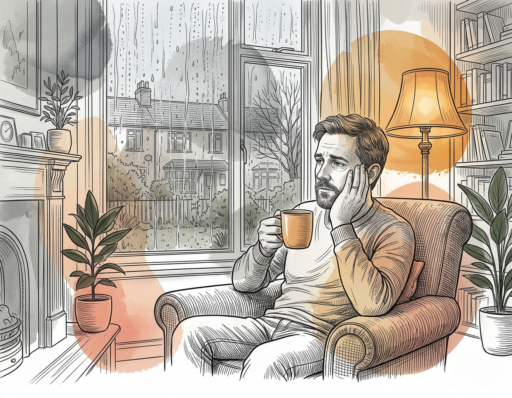
Rejection sensitive dysphoria (RSD) is an intense, often overwhelming emotional reaction to perceived or actual rejection, criticism, or failure — and it is especially common in adults with ADHD. If you have ever felt a crushing wave of shame or panic when someone seemed annoyed with you, or avoided opportunities because you feared not being good enough, RSD could be at the root of it. You are not ‘too sensitive’. You are not overreacting. Your brain is wired differently — and understanding that can be the first step to change.
What Is Rejection Sensitive Dysphoria (RSD)?
Rejection sensitive dysphoria is not yet an official clinical diagnosis, but it is increasingly recognised in ADHD research and practice as one of the most painful aspects of living with ADHD. The term describes an extreme emotional sensitivity to rejection — real, imagined, or anticipated.
In 2025, a qualitative study published in PLOS One by researchers at Brighton and Sussex Medical School found that people with ADHD described rejection sensitivity as a painful and overwhelming experience that could last anywhere from hours to weeks. Participants reported withdrawing from relationships, education, and work opportunities as a direct result.
RSD is different from ordinary hurt feelings. The intensity is disproportionate — it can feel like grief or physical pain. It often passes relatively quickly, but while it lasts, it can be completely debilitating. Many adults with ADHD describe RSD as the single most impairing aspect of their condition.
If your emotional reactions at work have been affecting you, our guide on difficulty with emotional regulation at work explores this in more depth.
Why Does ADHD Make You More Sensitive to Rejection?
The answer lies in how the ADHD brain processes emotion. ADHD affects the prefrontal cortex — the part of the brain responsible for regulating emotion, impulse control, and executive function. When dopamine and noradrenaline systems are dysregulated, emotional responses can feel bigger, faster, and harder to manage.
According to the NHS England Independent ADHD Taskforce, around 3–4% of adults in England have ADHD — approximately 2.5 million people. Many also experience significant emotional dysregulation. Research suggests that between 30% and 70% of adults with ADHD experience this, which provides fertile ground for RSD to take hold.
“Neurodivergent experiences of rejection sensitive dysphoria are complex and involve emotional and physical distress that can lead to self-silencing and avoidance.”
Sandland, B. (2025). Neurodivergent Experiences of Rejection Sensitive Dysphoria Expose the Environmental Factors too Often Overlooked. SAGE Journals. DOI: 10.1177/27546330251394516
RSD is also shaped by lived experience. Many adults with ADHD grew up receiving consistent negative feedback — from teachers, parents, and peers — about their behaviour, focus, and performance. Over time, the nervous system becomes wired to anticipate rejection. A neutral facial expression, a short reply to a message, or a moment of silence can feel threatening, even when it is not.
How RSD Shows Up in Everyday Life
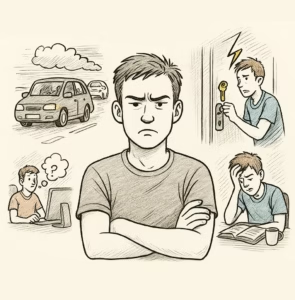
RSD can look different depending on the person and the situation. Common signs include:
- Intense people-pleasing: Saying yes to everything to avoid upsetting anyone.
- Avoiding feedback: Dreading performance reviews, social media comments, or even reading emails.
- Relationship difficulties: Misreading a partner’s mood as disapproval, or withdrawing after a minor disagreement.
- Self-sabotage: Not applying for jobs or opportunities because the risk of rejection feels unbearable.
- Emotional flashbacks: Old criticism resurfacing and triggering a disproportionate response today.
These patterns show up in work, friendships, and romantic relationships alike. You may also relate to our article on ADHD impulsive comments in relationships, where similar emotional triggers play a role. And if you find yourself over-sharing in conversations as a way of seeking reassurance, RSD may be a contributing factor.
It is also worth noting that RSD can manifest as a sudden, intense mood shift — sometimes called an ADHD mood swing — rather than sustained sadness or anxiety. Understanding the difference helps you respond more effectively.
Using the Dream SMART Framework to Manage RSD
Goal-setting sounds straightforward, but for adults with ADHD — especially those who experience rejection sensitive dysphoria — traditional approaches can backfire. If your goals are tied to external validation (“get a promotion”, “impress my manager”), every setback feels like personal rejection.
That is where the Dream SMART Framework, developed by ADHD coach Waldo Hechter, offers a genuinely different approach. Where traditional SMART goals focus on external achievement, Dream SMART begins with your internal values and emotional drivers — the things that matter to you, not to others.
What Is Dream SMART?
Dream SMART is a coaching framework specifically designed for the ADHD brain. It extends the traditional SMART acronym by adding a Dream phase — a visioning stage that connects your goals to your identity and values rather than external benchmarks. For people with RSD, this shift is transformational: your sense of self-worth is no longer contingent on others approving of your output.
Here is how Dream SMART compares to the traditional approach:
| Traditional SMART | Dream SMART |
|---|---|
| Starts with a specific external target | Starts with a dream or personal vision |
| Measured by external benchmarks | Measured by internal progress and personal values |
| Achievable (often set conservatively to avoid failure) | Aspirational but grounded in coaching support |
| Relevant to a role or task | Relevant to your authentic self and identity |
| Time-bound by fixed deadline | Timeframe is flexible to accommodate ADHD cycles |
| No explicit emotional driver | Driver: your core ‘why’ — your emotional fuel |
Using Dream SMART, you begin by exploring why a goal matters to you emotionally, not whether others will approve. This takes the sting out of setbacks. Read more in our guide to ADHD goal-setting with Dream SMART.
Practical Strategies for Managing Rejection Sensitive Dysphoria

Alongside a coaching framework, there are practical strategies that can help both in the moment and over the longer term.
Pause before reacting
When a perceived rejection triggers an intense emotional response, your first task is to create a gap between the trigger and your reaction. A simple grounding technique — five deep breaths, a short walk, or splashing cold water on your face — can interrupt the emotional hijack before it takes hold.
Name the feeling
RSD often feels like a sudden crash, but naming it helps. Try saying to yourself: “I am experiencing rejection sensitivity right now. This will pass.” Externalising the feeling takes some of its power away and reminds your brain that the emotion is temporary.
Reframe the narrative
Ask yourself: “Is there actual evidence for this interpretation?” Someone’s short message does not necessarily mean they are annoyed. ADHD brains are pattern-matching machines, but not every pattern is accurate. Practising cognitive reappraisal — consciously considering alternative explanations — can reduce the intensity of RSD over time.
Build self-compassion
Therapeutic approaches such as compassion-focused therapy (CFT) can help you develop a more stable sense of self-worth. ADHD coaching can also support you in identifying your strengths and building resilience. If you would like to explore this further, our coaching services page explains how working with an ADHD coach can make a difference.
Consider professional support
If rejection sensitive dysphoria is significantly impacting your life, speak to your GP or ADHD specialist. Some medications used for ADHD — particularly alpha-2 agonists such as guanfacine — have shown promise in reducing the intensity of RSD reactions, though evidence is still emerging. Always seek advice from a qualified clinician.
Frequently Asked Questions
Is rejection sensitive dysphoria real, or is it just being too sensitive?
RSD is a real and documented phenomenon in ADHD research, though it is not yet an official diagnostic category. A 2025 qualitative study by UK researchers confirmed participants’ lived experiences of intense distress, withdrawal, and physical symptoms in response to perceived rejection. It is not the same as ordinary sensitivity — the emotional intensity is disproportionate and often debilitating for those who experience it.
Can you have RSD without ADHD?
Yes. RSD-like experiences have been reported in people with autism, borderline personality disorder, and complex trauma. However, it appears most commonly in people with ADHD and is understood as part of the broader pattern of emotional dysregulation associated with the condition. If you are unsure, speaking to your GP is a good starting point.
How do I know if I have rejection sensitive dysphoria?
There is no formal diagnostic test for RSD. However, if you regularly experience sudden, intense emotional pain in response to perceived rejection or criticism — and if this has led you to avoid opportunities or withdraw from relationships — it is worth discussing with your GP or an ADHD specialist. A formal ADHD assessment may also be appropriate if you have not already been assessed.
Can an ADHD coach help with RSD?
Yes. ADHD coaching is not therapy, but it is a powerful tool for building self-awareness, resilience, and practical strategies that reduce the impact of rejection sensitive dysphoria on your daily life. A coach can help you understand your emotional triggers, develop coping strategies, and set goals in a way that is not dependent on external validation — which is at the heart of the Dream SMART approach.