
Have you ever spent twenty minutes searching for your phone — only to find it in the fridge? Or turned your whole desk upside down hunting for a document you were holding five minutes ago? If this sounds familiar, you are not alone. Frequently losing important items is one of the most common — and most frustrating — experiences for adults with ADHD.
This is not about being careless or disorganised by nature. It is a direct result of how the ADHD brain processes — and fails to hold onto — information in the moment. Understanding why it happens is the first step to building systems that genuinely help.
Why ADHD Brains Struggle to Keep Track of Things
The ADHD brain is not broken — it simply works differently, particularly when it comes to executive functions. According to NHS resources on executive function, these are the mental skills that support short-term memory, planning, self-control, and flexible thinking. For people with ADHD, these skills are often inconsistent or underdeveloped, which directly affects the ability to keep track of everyday items.
There are four main reasons why losing things happens so frequently:
1. Working Memory Gaps
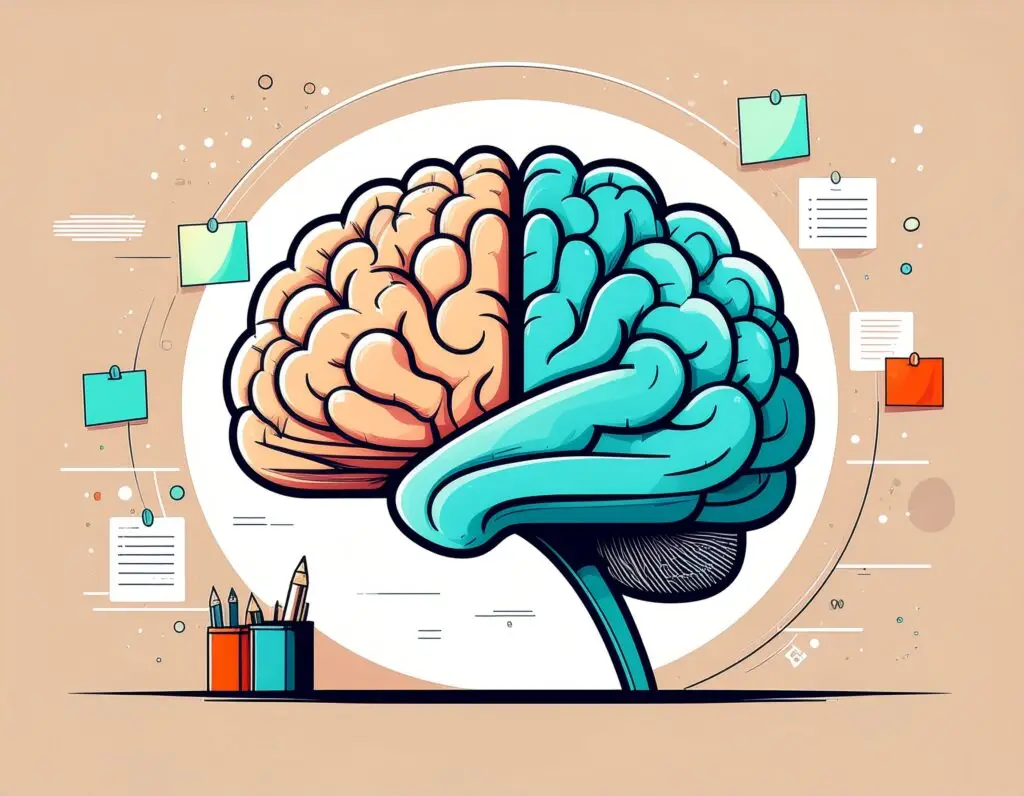
Working memory acts like your brain’s mental sticky note — it holds information temporarily while you use it. If you put your keys down while thinking about something else, your brain may simply not encode that moment. The working memory system in ADHD brains often has a lower capacity, meaning distractions can overwrite recent actions before they are properly stored.
2. Inattention at the Moment of Placement
All it takes is a split second of distraction. You set your pen down while answering a question in your head, or tuck a document away while your attention shifts to an email notification. That moment of low alertness is enough for the item to disappear from your mental map entirely.
3. ‘Out of Sight, Out of Mind’ Thinking
Many people with ADHD describe a very real experience: if they cannot see something, it effectively stops existing in their awareness. This is closely linked to how the ADHD brain encodes and retrieves visual information. It explains why open shelving, clear bags, and visible storage often work better than drawers and closed cupboards.
4. Autopilot Placement
Sometimes items end up in completely illogical places — keys in the freezer, glasses in the bathroom cabinet — because the ADHD brain was operating on autopilot. The hands are moving while the mind is already somewhere else. This is not forgetfulness in the traditional sense; it is a task-switching issue rooted in executive dysfunction.
| 💡 Coaching Insight: Losing things is a predictable pattern of an ADHD brain that needs more scaffolding — not more self-judgment. When we understand the pattern, we can build the right support around it. |
The Emotional Cost Is Real
It would be easy to dismiss misplacing things as a minor inconvenience. But for many adults with ADHD, the cumulative impact is significant. The repeated experience of searching, being late, and feeling disorganised chips away at self-esteem. It reinforces a story of being ‘incapable’ or ‘irresponsible’ — labels that are both inaccurate and harmful.
Misplacing items is not a moral failing. It is a recognised symptom of ADHD — listed in both the DSM-5 and the diagnostic criteria used by UK clinicians. Recognising it as a neurological pattern, rather than a character flaw, opens the door to practical solutions.
Setting a Meaningful Goal with Dream SMART
Before diving into strategies, it helps to anchor your efforts in a goal that actually matters to you. The Dream SMART Framework — used in ADHD coaching — builds on the traditional SMART structure by adding emotional relevance. Because ADHD brains are motivated by meaning, not just logic, connecting a goal to something you genuinely care about makes it far more likely to stick.
Six Practical Strategies That Work With Your ADHD Brain
1. Give Everything a Home
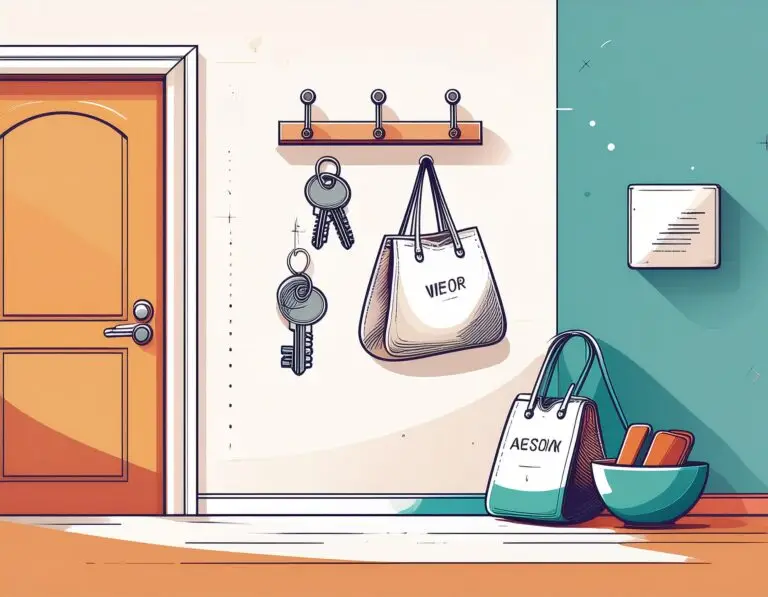
The single most effective strategy is also the simplest: every important item needs a designated, consistent place. Not a general area — a specific spot. A hook by the door for keys. A tray for your phone. A drawer for documents you are actively using. Consistency is everything. The goal is to make putting something ‘away’ automatic, so you do not have to think about it.
For your workplace, apply the same logic to your desk. Keep the items you use daily visible and within reach. Everything else has a home that you return to at the end of each day.

2. Make Things Visible
Out of sight truly means out of mind for many ADHD brains. Use clear containers, open shelving, and labelled boxes wherever possible. Avoid filing things away in drawers unless you are sure they are things you rarely need. If you need to remember a document exists, keep it somewhere visible — even if that means a designated ‘active work’ pile on your desk.
Colour coding can also help. Using coloured folders or labels for different projects or priorities makes it easier to locate what you need without reading every label.
3. Use Mindful Placement
When you put something down, say it out loud or in your head: ‘I am putting my phone on the kitchen table.’ This tiny act of narrating your actions forces a moment of focused attention that helps the information register in working memory. It sounds almost too simple, but it works — particularly during busy or rushed moments when autopilot tendencies are strongest.
4. Use Technology Wisely
Bluetooth trackers such as Apple AirTags or Tile can be attached to commonly lost items like keys, wallets, and bags. The ability to make an item emit a sound from your phone removes the panic of searching entirely. For documents and digital files, a consistent folder structure on your computer — and a habit of saving things in the same place every time — serves the same function.
That said, do not rely solely on technology. Physical systems that do not require charging or syncing tend to be more reliable as your first line of defence.
5. Build an End-of-Day Reset Routine
Spend five minutes at the end of your workday returning items to their homes. Check that your keys, phone, and any documents you need tomorrow are in their places. Setting a daily alarm or pairing this with an existing habit — like making a cup of tea before you log off — helps the routine stick.
This is sometimes called an ‘environmental scan’ — a quick visual sweep of the space you are leaving, checking you have everything. It is especially useful in workplaces, meeting rooms, and when travelling.
6. Reduce the Cognitive Load
The more decisions your brain has to make in a day, the more likely it is to drop the thread of where things are. Reducing cognitive load — by simplifying your environment, reducing clutter, and building consistent routines — means your working memory is less stretched. Fewer things in your space means fewer things to track.
For your desk or home office, ask: what do I actually use every day? Keep only those things accessible. Everything else can be stored out of the way. A clear desk is not just aesthetic — it is functional.
| 💡 Coaching Tip: Start with one area, not everything. Pick the item you lose most often and build one system around that first. Small wins build momentum — and momentum matters more than perfection for ADHD brains. |
Applying These Strategies at Work
In a workplace setting, losing items can have real professional consequences — missed deadlines because a document cannot be found, late arrivals because keys were misplaced, or disrupted meetings because a tool or supply is not where it should be.
The strategies above apply directly to your working environment. In addition, it is worth having an honest conversation with yourself — or with your manager — about what workplace adjustments might help. Under the Equality Act 2010, employers in the UK are required to make reasonable adjustments for employees with a disability. ADHD can qualify. Adjustments might include a tidy, consistent workspace, access to labelling tools, or permission to use a tracker device on shared equipment. The ADHD UK Workplace Support pages have guidance on this.
A Word on Self-Compassion
If you have ADHD, you have probably been told — directly or implicitly — that losing things is a sign of carelessness. It is not. It is a symptom of how your brain processes information, and it responds to the right strategies and environment.
Progress will not be linear. Some days the system will break down. That is not failure — that is information. Notice what happened, adjust, and try again. ADHD coaching can help you build systems that are robust enough to handle the messy realities of daily life, and flexible enough to adapt when they do not work perfectly.
If you would like support building practical systems that work with your brain, explore our ADHD coaching services at adhd-coaching.uk.