Many women with ADHD report a clear shift in how their symptoms feel and function during perimenopause and menopause. Tasks that were once manageable can suddenly feel overwhelming, emotional regulation may wobble, and brain fog can become more persistent. These changes are not imagined. They are closely linked to hormonal transitions that directly affect brain systems already involved in ADHD.
This article explores how perimenopausal and menopausal symptoms present, how hormonal changes interact with ADHD, and how diet and medication choices may help reduce the impact.
What Are Perimenopause and Menopause?
Perimenopause (the transition phase)
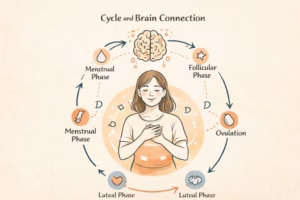
Perimenopause usually begins in the late 30s to mid-40s and can last several years. Hormone levels, particularly oestrogen and progesterone, fluctuate rather than decline smoothly.
Common perimenopausal symptoms include:
- Irregular menstrual cycles
- Mood swings, anxiety, or low mood
- Poor sleep or night waking
- Brain fog and memory lapses
- Increased fatigue
- Heightened stress sensitivity
Menopause (the post-transition stage)
Menopause is defined as 12 consecutive months without a menstrual period. Oestrogen levels settle at a consistently lower level.
Common menopausal symptoms include:
- Hot flushes and night sweats
- Ongoing sleep disruption
- Joint pain and headaches
- Reduced energy levels
- Changes in mood and motivation
- Cognitive slowing or reduced mental clarity
These symptoms alone can affect daily functioning. When combined with ADHD, the impact can be more intense.
How Hormonal Changes Affect ADHD
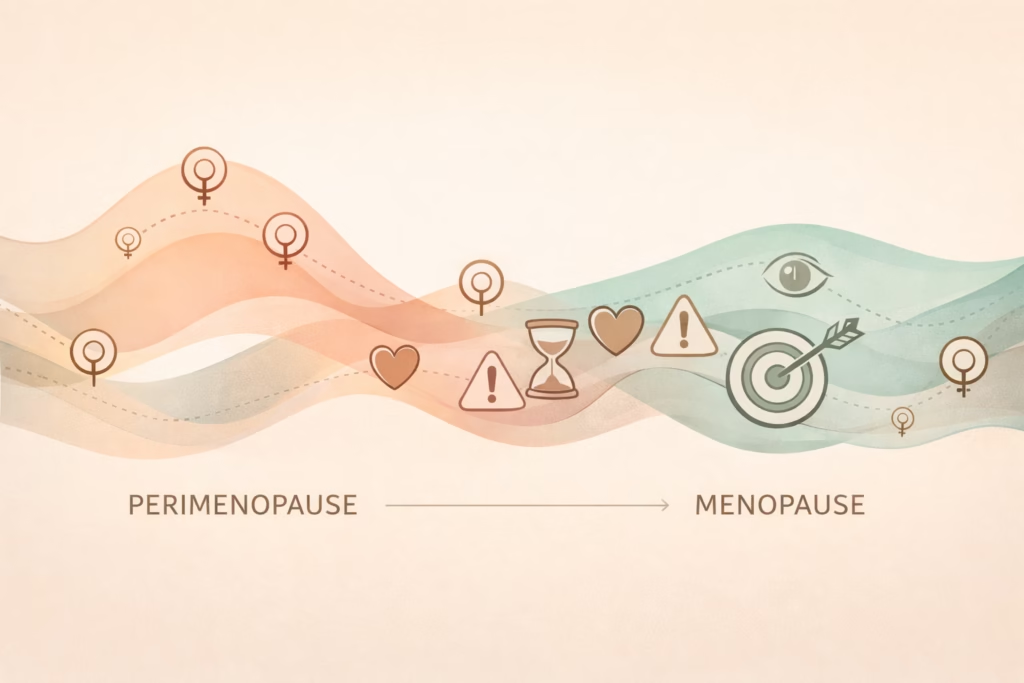
ADHD is strongly linked to how the brain uses dopamine and noradrenaline, chemicals involved in motivation, attention, working memory, and emotional regulation.
Oestrogen plays a key role in supporting these systems.
The key hormonal link
- Oestrogen helps regulate dopamine availability in the brain
- Fluctuating or declining oestrogen reduces dopamine efficiency
- ADHD brains already have reduced dopamine regulation
Result: ADHD symptoms often worsen during perimenopause and menopause.
ADHD symptoms commonly amplified
- Inattention and distractibility
- Mental fatigue and brain fog
- Emotional reactivity and overwhelm
- Reduced stress tolerance
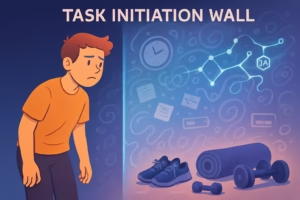
- Difficulty starting and completing tasks
- Poor working memory and organisation
Many women first seek an ADHD diagnosis during this life stage, as coping strategies that worked earlier stop being effective.
Diet and Hormones: Supporting the ADHD Brain
Diet cannot replace medical treatment, but it can strongly influence hormonal balance, inflammation, and neurotransmitter function.
Nutritional priorities during perimenopause and menopause
Protein (especially at breakfast)
Supports dopamine production and stabilises blood sugar, helping with focus and emotional regulation.
Omega-3 fatty acids
Found in oily fish, flaxseed, and walnuts. Linked to improved attention, mood stability, and brain health.
Complex carbohydrates
Support serotonin regulation and reduce energy crashes. Whole grains, vegetables, and legumes are preferable.
Iron and B-vitamins
Low levels are linked to fatigue, brain fog, and low mood. Perimenopausal women are at higher risk of deficiencies.
Magnesium
Supports sleep quality, nervous system regulation, and stress response.
Foods to approach with care
- High sugar intake (worsens energy swings and attention)
- Excess caffeine (can increase anxiety and sleep disruption)
- Highly processed foods (linked to inflammation and mood instability)
ADHD Medication and Menopause
Hormonal changes can alter how ADHD medication feels and works.
What many women notice
- Medication feels less effective at certain points in the cycle
- Increased side effects such as anxiety or jitteriness
- Shorter duration of benefit
- Greater sensitivity to missed doses
This does not mean medication has “stopped working”, but that hormone levels are influencing neurotransmitter availability.
Clinical considerations (with a prescriber)
- Reviewing dose timing rather than increasing dose
- Monitoring symptom patterns alongside hormonal changes
- Considering combined approaches (medication + hormone therapy where appropriate)
- Adjusting expectations during high-symptom phases
Hormone Replacement Therapy (HRT) may improve ADHD symptoms for some women by stabilising oestrogen levels, though this should always be assessed individually with a qualified clinician.
Practical Support Strategies
Alongside diet and medication, many women benefit from:
- Reducing cognitive load and decision fatigue
- Externalising memory (lists, reminders, visual supports)
- Prioritising sleep protection
- Using coaching strategies to adapt expectations and routines
- Normalising fluctuating capacity rather than pushing through
Understanding that symptoms are biologically influenced can reduce shame and self-criticism.
Key Takeaway
Perimenopause and menopause can significantly amplify ADHD symptoms due to changes in oestrogen and dopamine regulation. A combined approach that considers hormones, nutrition, medication, and lifestyle support offers the best chance of reducing impact and improving quality of life.