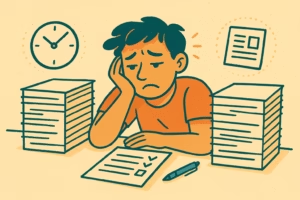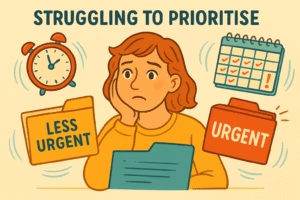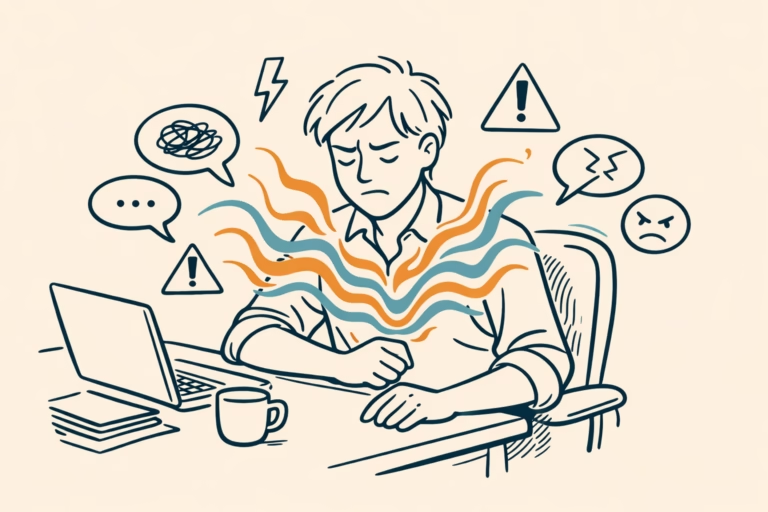
Difficulty maintaining emotional regulation is a common but often misunderstood challenge in the workplace, particularly for adults with ADHD or other forms of neurodivergence. It can show up as strong emotional reactions to minor feedback, feeling overwhelmed during disagreements, or struggling to calm down once emotions are triggered.
In work environments that value professionalism and emotional restraint, these reactions are often misread as a lack of resilience, poor attitude, or interpersonal weakness. In reality, emotional regulation is a core executive function skill, and for many people, it requires conscious support and structure rather than willpower alone.
What Is Emotional Regulation?
Emotional regulation refers to the ability to recognise, manage, and respond to emotions in a way that fits the situation. This does not mean suppressing emotions. Instead, it involves noticing emotional responses early, understanding what is driving them, and choosing how to act.
For adults with ADHD, emotional responses can be faster, stronger, and harder to slow down. This is linked to differences in how the brain processes emotions and stress, particularly within the prefrontal cortex, which is responsible for impulse control and self-regulation.
How Emotional Dysregulation Shows Up at Work
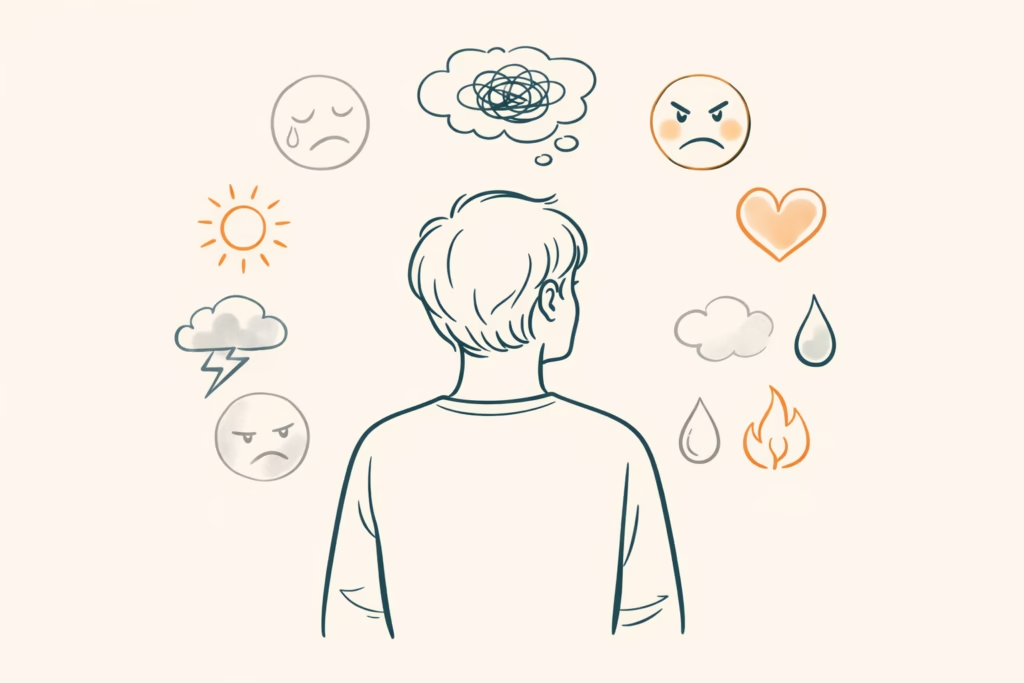
In workplace settings, emotional regulation difficulties may include:
- Overreacting to small conflicts or misunderstandings
- Becoming tearful, angry, or defensive during feedback conversations
- Feeling intense frustration when plans change or expectations are unclear
- Struggling to let go of perceived criticism or unfairness
- Replaying workplace interactions repeatedly after they happen
These experiences are exhausting and can lead to shame, withdrawal, or avoidance of communication altogether. Over time, this may affect confidence, working relationships, and career progression.
Why the Workplace Can Make It Worse
Modern workplaces are full of emotional triggers: deadlines, unclear priorities, social expectations, performance reviews, and power dynamics. For individuals who already experience heightened emotional sensitivity, these environments can overload the nervous system.
Masking also plays a role. Many adults with ADHD spend significant energy trying to appear calm and in control. When emotional capacity runs out, reactions can feel sudden or disproportionate, even though the stress has been building for some time.
Coaching Strategies That Support Emotional Regulation
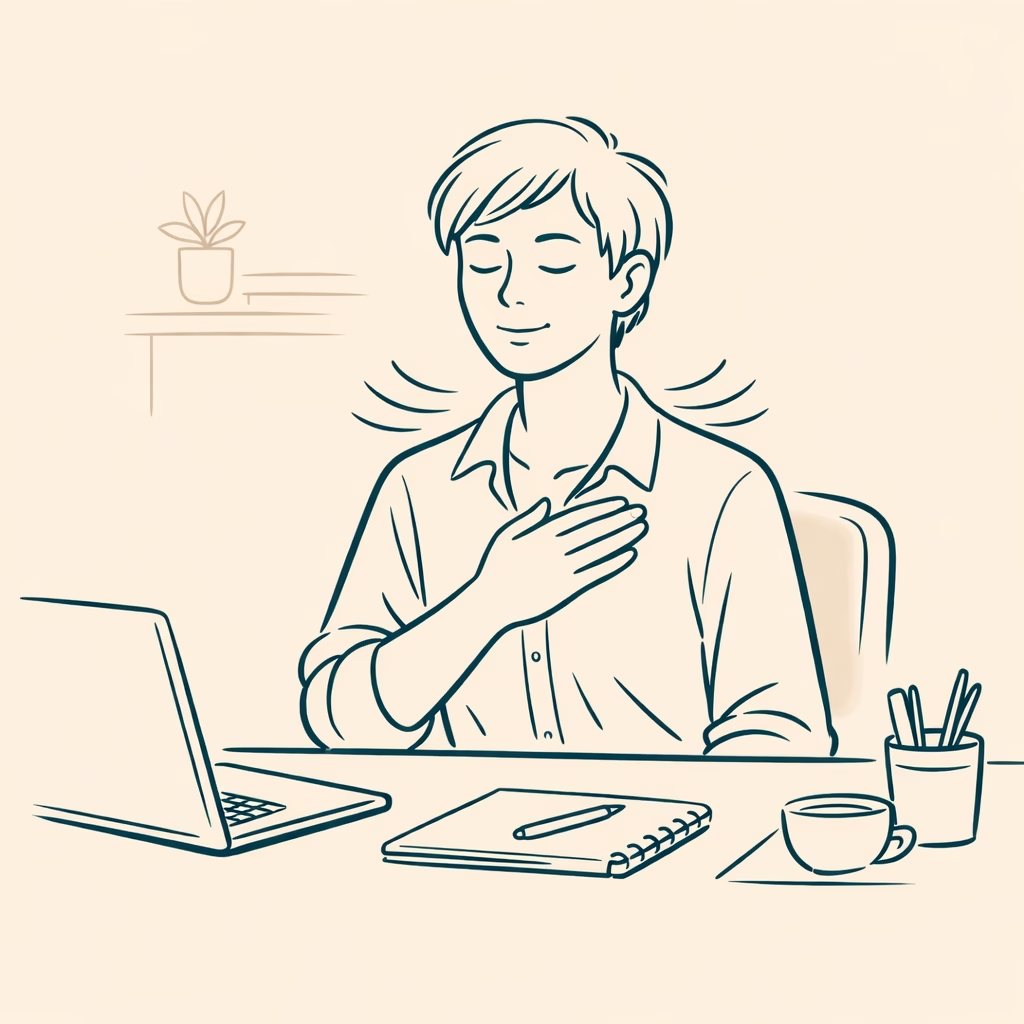
ADHD-informed coaching focuses on building awareness first, then creating practical tools that work in real working conditions.
Helpful approaches include:
- Early emotional awareness
Learning to spot physical and emotional warning signs before emotions escalate. - Pause and regulate techniques
Simple grounding strategies such as breathing, movement, or sensory resets that can be used discreetly at work. - Language and framing support
Preparing scripts for difficult conversations to reduce emotional overload in the moment. - Post-event reflection
Reviewing emotional responses without judgement, focusing on patterns rather than blame. - Environmental adjustments
Identifying workplace conditions that increase emotional stress and exploring reasonable adjustments where possible.
Long-Term Impact When Emotional Regulation Is Supported
When emotional regulation is understood as a skill rather than a flaw, workplace outcomes improve. Clients often report better working relationships, increased confidence in communication, and reduced emotional exhaustion.
Importantly, emotional regulation coaching does not aim to remove emotional depth. Instead, it helps individuals respond in ways that protect both their wellbeing and their professional goals.