A detailed, practical guide to how the menstrual cycle affects body, brain, mood, food needs, and ADHD symptoms
Introduction
The menstrual cycle is not just about bleeding once a month. It is a repeating pattern of hormonal shifts that affect energy, focus, emotions, sleep, appetite, pain sensitivity, and mental health. For people with ADHD, these changes can feel more intense because ADHD is closely linked to dopamine regulation, emotional regulation, and executive functioning. Hormones such as oestrogen and progesterone directly influence the same brain systems that ADHD already challenges.
Understanding how the cycle works can help people with ADHD plan better, reduce self-blame, and adapt strategies across the month rather than expecting consistency every day.
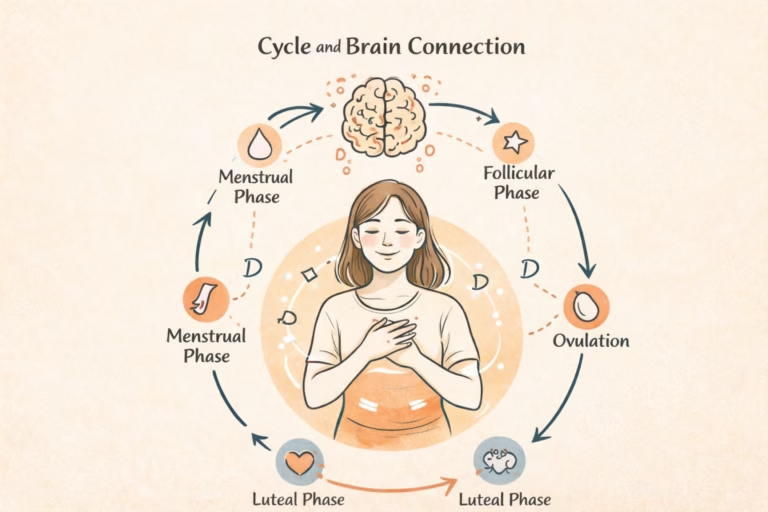
The Four Stages of the Menstrual Cycle
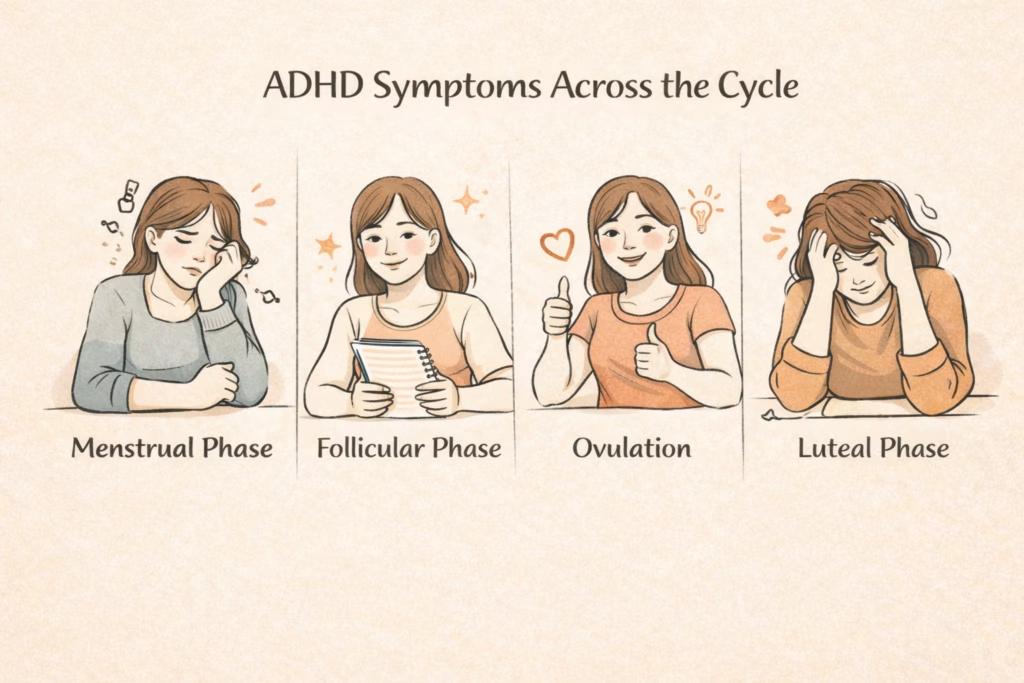
1. Menstrual Phase (approximately days 1–5)
What is happening hormonally
Oestrogen and progesterone are at their lowest. The uterus sheds its lining, resulting in bleeding. Low hormones mean lower dopamine availability in the brain.
Physical effects
- Bleeding, cramps, headaches
- Fatigue and low energy
- Increased pain sensitivity
- Digestive changes (constipation or diarrhoea)
Mental and emotional effects
- Low motivation
- Brain fog and slower processing
- Low mood or emotional flatness
- Reduced tolerance for stress
ADHD impact
This phase often feels the hardest for ADHD. Low oestrogen reduces dopamine activity, which can worsen:
- Inattention
- Task initiation difficulties
- Memory and processing speed
- Emotional regulation
Many people notice medication feels less effective during this phase.
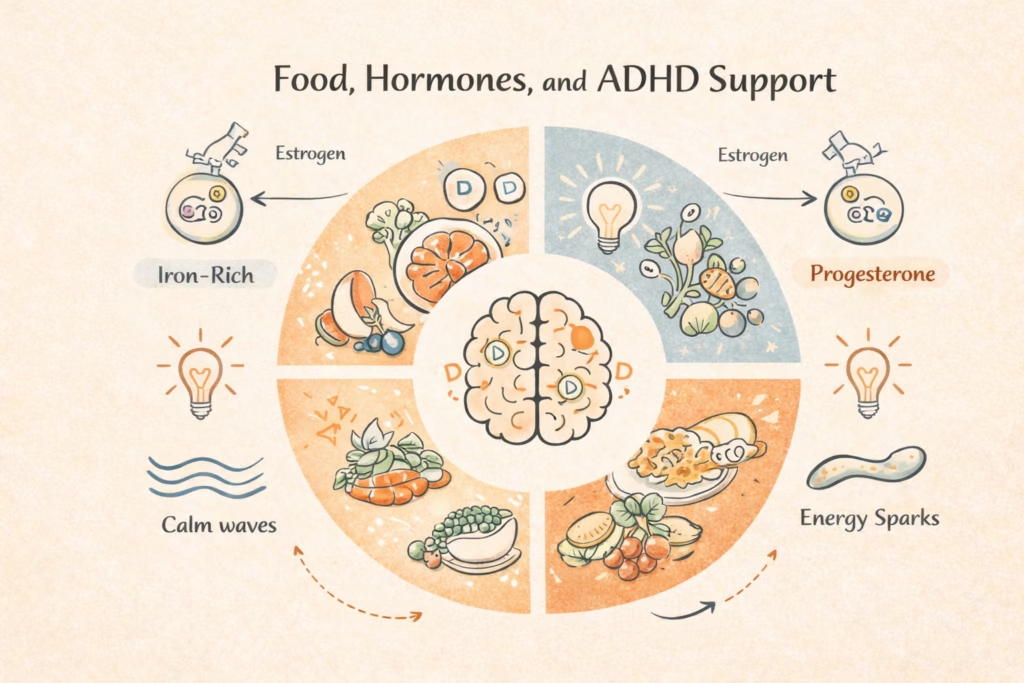
Food support
- Iron-rich foods (red meat, lentils, spinach)
- Vitamin C to support iron absorption
- Magnesium for cramps and nervous system support
- Warm, easy-to-digest meals
2. Follicular Phase (approximately days 6–13)
What is happening hormonally
Oestrogen begins to rise steadily. The brain becomes more dopamine-responsive, supporting motivation and cognitive clarity.
Physical effects
- Energy slowly increases
- Reduced pain and bloating
- Better sleep quality
Mental and emotional effects
- Improved focus and curiosity
- Increased optimism
- Easier decision-making
- Better emotional balance
ADHD impact
This phase often feels like a “window of ease” for ADHD:
- Improved focus and working memory
- Better planning and follow-through
- Increased confidence and motivation
This is often the best phase for starting projects or building routines.
Food support
- Balanced meals with protein and complex carbohydrates
- Omega-3 fats to support brain function
- Fresh fruit and vegetables for micronutrients
3. Ovulation (around day 14)
What is happening hormonally
Oestrogen peaks, followed by a surge in luteinising hormone. Dopamine and serotonin activity are high.
Physical effects
- Peak energy
- Increased pain tolerance
- Stronger immune response
Mental and emotional effects
- High confidence
- Faster thinking
- Increased sociability and verbal fluency
ADHD impact
This is often the most ADHD-friendly phase:
- Strong focus and motivation
- Better emotional regulation
- Improved social communication
Many people feel “most like themselves” during this stage.
Food support
- Lean protein to stabilise energy
- Healthy fats (avocado, olive oil, oily fish)
- Plenty of hydration
4. Luteal Phase (approximately days 15–28)
What is happening hormonally
Progesterone rises and oestrogen drops. Progesterone has a calming effect but can reduce dopamine availability.
Physical effects
- Fatigue
- Bloating and breast tenderness
- Changes in sleep
- Increased appetite and cravings
Mental and emotional effects
- Reduced concentration
- Increased irritability or anxiety
- Emotional sensitivity
- Lower stress tolerance
ADHD impact
For many people with ADHD, this phase can be particularly challenging:
- Increased forgetfulness
- Emotional dysregulation
- Overwhelm and shutdown
- Worsening PMS or PMDD symptoms
Executive function demands often exceed available energy.
Food support
- Complex carbohydrates to support serotonin
- Magnesium and vitamin B6
- Regular meals to prevent blood sugar dips
- Reduced caffeine and alcohol
Why ADHD and the Menstrual Cycle Interact So Strongly
ADHD is strongly linked to dopamine regulation. Oestrogen increases dopamine availability, while progesterone reduces it. This means hormonal changes directly affect ADHD symptoms.
Research shows that:
- ADHD symptoms often worsen in the late luteal and menstrual phases
- Emotional regulation difficulties increase premenstrually
- ADHD medication effectiveness may fluctuate across the cycle
Clinical guidance from organisations such as NHS and ADDitude increasingly recognises hormonal influence on ADHD presentation in women and people who menstruate.
Practical Strategies for ADHD Across the Cycle
Cycle-aware planning
- Schedule demanding tasks during follicular and ovulation phases
- Reduce expectations during luteal and menstrual phases
- Build rest and recovery into planning
Emotional regulation support
- Name the phase rather than blaming yourself
- Use grounding tools during low-hormone phases
- Increase self-compassion during PMS
Nutrition and body care
- Eat regularly to support blood sugar stability
- Prioritise sleep, especially in the luteal phase
- Gentle movement rather than intense exercise when energy is low
Medication and professional support
Some people benefit from discussing cycle-related symptom changes with a GP, psychiatrist, or ADHD specialist. Adjustments in dose timing or expectations may help, under medical guidance.
A reframing that matters
The menstrual cycle does not make someone “inconsistent” or “unreliable”. It reveals that energy, focus, and emotional capacity are naturally variable. ADHD does not cause failure here; it amplifies sensitivity to systems that were never designed with hormonal brains in mind.
Understanding the cycle allows for adaptation rather than self-criticism.