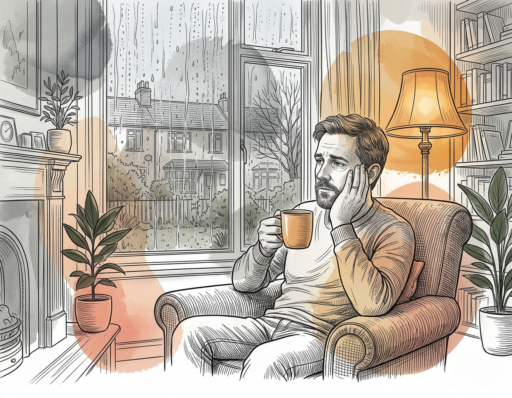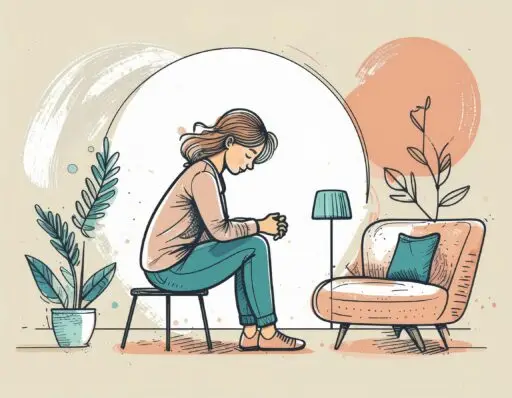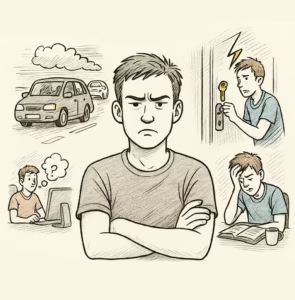

Have you ever gone from feeling absolutely fine to suddenly irritated or overwhelmed, all within minutes? Perhaps a small setback derails your entire day, or you find yourself cycling through emotions so quickly that even you can’t keep up. If this sounds familiar, you’re not alone. For many adults with ADHD, mood swings aren’t just occasional frustrations—they’re a daily reality that can affect relationships, work, and overall wellbeing.
Mood swings in ADHD involve rapidly shifting between emotional states, often without clear triggers. One moment you might feel enthusiastic and motivated, the next frustrated or deflated. These swift emotional changes can leave you feeling out of control and wondering why your emotions seem so much more intense than those around you.
The good news? Understanding the connection between ADHD and emotional regulation can help you develop practical strategies to manage these mood shifts. This article explores why mood swings happen, how they show up in daily life, and evidence-based coaching approaches to help you navigate them more effectively.
Why Do ADHD Mood Swings Happen?
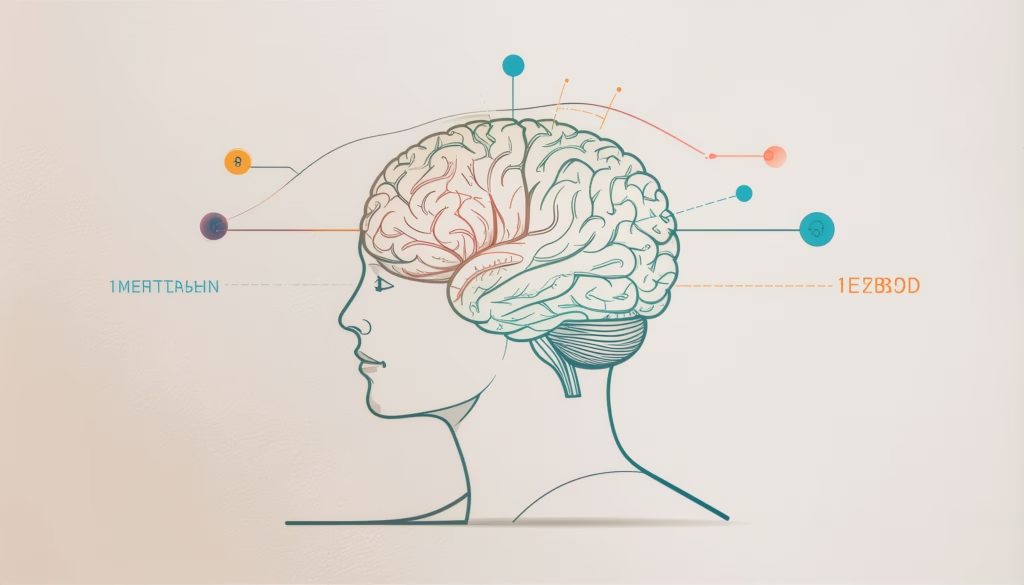
Research shows that around 34-70% of adults with ADHD experience emotional dysregulation, which includes rapid mood swings. But what’s actually happening in the brain?
People with ADHD have differences in brain structure and function, particularly in the prefrontal cortex (responsible for executive functions and emotional regulation) and the amygdala (the brain’s emotional centre). These differences affect how quickly emotions are triggered and how effectively they’re managed.
Additionally, ADHD involves altered dopamine and norepinephrine signalling. These neurotransmitters play crucial roles in attention, impulse control, and emotional regulation. When these systems aren’t functioning optimally, it becomes harder to regulate emotional responses to stress or frustration.
Think of it like this: whilst neurotypical brains might have a steady emotional thermostat, ADHD brains often have one that’s far more sensitive. Small irritations can feel like major setbacks, and minor disappointments can trigger disproportionate emotional reactions.
Common Triggers for ADHD Mood Swings
Understanding your triggers is the first step in managing mood swings. Whilst triggers vary from person to person, some common patterns emerge for people with ADHD:
Frustration and overwhelm often top the list. When faced with difficult tasks, last-minute changes, or feeling misunderstood, emotional reactions can escalate quickly. The ADHD brain struggles with transitions and unexpected demands, making these situations particularly challenging.
Physical factors play a significant role too. Being hungry (low blood sugar affects mood regulation), tired (sleep difficulties are common in ADHD), or overstimulated can dramatically lower your tolerance threshold. Environmental chaos, noise, or sensory overload can quickly tip you into emotional dysregulation.
Rejection sensitivity is another key trigger. Many people with ADHD experience rejection sensitive dysphoria—an extreme emotional response to perceived criticism or rejection. Even constructive feedback can trigger intense emotional reactions that feel overwhelming.
Medication timing can also influence mood. Some people experience mood changes as stimulant medication wears off in the late afternoon or evening, a phenomenon sometimes called “rebound.” If your mood swings follow a predictable daily pattern, it’s worth discussing with your prescriber.
How Mood Swings Impact Daily Life
Mood swings don’t happen in isolation—they ripple through every area of life. At work, rapid emotional shifts can strain professional relationships. A colleague’s innocent comment might trigger frustration that affects your productivity for hours. Important meetings might be derailed by difficulty managing anxiety or irritability.
In relationships, mood swings can create confusion and conflict. Partners, friends, and family members may struggle to understand why small issues provoke such strong reactions. You might find yourself apologising repeatedly for emotional outbursts, leading to shame and reduced self-esteem.
Academically, emotional dysregulation can make studying and concentrating even more challenging. The stress of deadlines combined with difficulty managing frustration can create a perfect storm that affects performance and completion rates.
Perhaps most significantly, constant mood swings can erode your sense of emotional safety. When you can’t predict or control your emotional responses, it’s natural to feel demoralized or helpless. This can lead to avoidance behaviours and reduced participation in activities you once enjoyed.
ADHD Coaching Strategies for Managing Mood Swings

Managing mood swings isn’t about suppressing emotions—it’s about building awareness and developing tools to navigate them more effectively. Here are evidence-based coaching strategies that can help:
Track your emotional patterns. Keeping a simple mood journal helps identify triggers, times of day when you’re more vulnerable, and what strategies actually work for you. You don’t need anything fancy—a notes app on your phone works perfectly. Record when mood shifts happen, what was happening beforehand, and how long the mood lasted.
Create a pause practice. When you notice emotions rising, try the 7-11 breathing technique: breathe in for 7 counts, out for 11. This activates your parasympathetic nervous system and gives your prefrontal cortex time to catch up with your amygdala. Even 30 seconds can make a difference.
Establish protective routines around basic needs. Regular meals (protein-rich foods help stabilise blood sugar), consistent sleep schedules, and movement breaks aren’t luxuries—they’re essential mood regulation tools. When you’re hungry, tired, or physically restless, mood regulation becomes exponentially harder.
Develop a “pre-regulation” toolkit. Before you’re in crisis mode, identify what actually helps you calm down. For some people it’s a specific playlist, a quick walk, calling a trusted friend, or engaging in a repetitive task. Having these strategies ready means you’re not trying to problem-solve whilst emotionally flooded.
Practice self-compassion over self-criticism. After a mood swing, it’s tempting to berate yourself for “overreacting.” Instead, try acknowledging: “That was hard, and my brain responded the way ADHD brains do. What can I learn from this?” This approach reduces shame and supports learning.
Use physical movement strategically. Exercise isn’t just good for general health—it’s one of the most effective mood regulation tools available. Even 20 minutes of movement can shift your emotional state. Find what you actually enjoy, whether that’s walking, dancing, yoga, or competitive sport.
Build in recovery time after demanding tasks. If you know certain activities drain your emotional resources (difficult conversations, detailed work, social events), schedule buffer time afterwards. This isn’t being weak—it’s being strategic about managing your energy.
When Professional Support Is Needed
Whilst coaching strategies can significantly improve mood regulation, sometimes additional support is necessary. It’s important to recognise when mood swings might indicate something beyond ADHD emotional dysregulation.
If mood changes last for extended periods (several days to weeks rather than hours), involve distinct episodes of elevated or depressed mood unrelated to situational triggers, or include thoughts of self-harm, these may indicate co-occurring conditions like bipolar disorder or depression that require separate treatment.
Around 30% of people with ADHD also experience depression, and anxiety disorders are similarly common. These conditions can worsen emotional dysregulation and need to be addressed alongside ADHD management.
Therapeutic approaches like Cognitive Behavioural Therapy (CBT) or Dialectical Behaviour Therapy (DBT) can provide additional tools for emotional regulation. These evidence-based therapies teach specific skills for identifying triggers, challenging unhelpful thoughts, and managing intense emotions.
If you’re experiencing persistent mood difficulties despite trying self-management strategies, speak with your GP or mental health professional. Comprehensive treatment might include medication adjustments, therapy, coaching, or a combination of approaches.
Building Long-Term Emotional Resilience
Managing mood swings is a marathon, not a sprint. Progress isn’t linear, and setbacks don’t mean failure—they’re opportunities to refine your understanding of what works for you.
Building emotional resilience involves gradually expanding your capacity to handle challenging situations without becoming dysregulated. This happens through consistent practice with small challenges, not by forcing yourself into overwhelming situations.
Mindfulness practices can strengthen your ability to observe emotions without being swept away by them. Start small—even one minute of noticing your breath or body sensations can help build this skill over time.
Connect with others who understand ADHD. Whether through support groups, online communities, or working with an ADHD coach, having people who “get it” reduces isolation and provides practical wisdom. You’re not navigating this alone.
Celebrate progress, however small. Noticing you’re becoming dysregulated before you act on it? That’s progress. Managing to use a regulation strategy even once? That’s progress. Recovering more quickly from mood swings than you used to? That’s definitely progress.
Moving Forward
ADHD mood swings can feel overwhelming, but they’re not a personal failing—they’re a neurological feature that you can learn to manage more effectively. By understanding the brain science behind emotional dysregulation, identifying your personal triggers, and implementing practical coaching strategies, you can develop greater emotional stability and wellbeing.
Remember that managing mood swings is about progress, not perfection. Some days will be easier than others, and that’s completely normal. The goal isn’t to eliminate all emotional reactions—emotions are valuable sources of information. Instead, you’re building the capacity to respond to your emotions rather than being controlled by them.
If you’re struggling with mood regulation, consider working with an ADHD coach who can help you develop personalised strategies tailored to your specific challenges and strengths. With the right support and tools, you can move from feeling at the mercy of your moods to feeling more in control of your emotional life.